Globally, energy transitions are accelerating, and the concept of green building is booming. Building-integrated photovoltaics (BIPV), a model for the innovative integration of these two sectors, is becoming a core driver of the building industry's low-carbon upgrade. Amid this wave of deep integration between architecture and photovoltaic technology, photovoltaic tiles, a key enabler of BIPV, are rapidly emerging as a mainstream roofing material due to their technological advantages and product characteristics. PV tiles are a novel building material that combines solar power generation technology with traditional roof tiles. They possess the waterproofing, thermal insulation, and load-bearing properties of traditional roof tiles while also harnessing solar power generation, making them a typical application of BIPV.
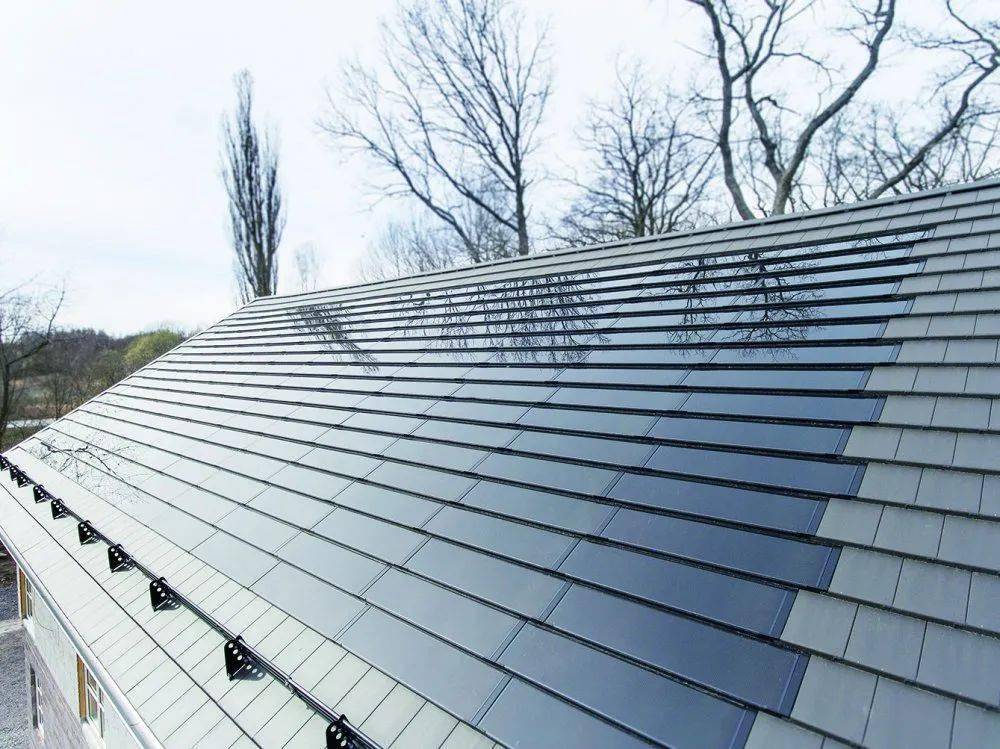
Many readers may be wondering: I understand photovoltaics and I've seen tiles, but what do these two look like when stacked together? How do they work?
Photovoltaic tiles are a new building material that combines solar power generation technology with traditional building tiles. Covered with cadmium telluride thin-film solar cells, they convert sunlight directly into electricity. The generated electricity can be connected to the grid (for sale or personal use) or stored in batteries for nighttime use. They look similar to ordinary tiles, but they contain integrated circuits and wiring to ensure their power generation capabilities.
Compared to these tiles, traditional photovoltaic modules have gradually exposed two shortcomings during their promotion and application.
First, its lack aesthetic integration. Traditional photovoltaic panels struggle to integrate seamlessly with the overall architectural design, especially with the sophistication and historical significance of some classical architecture. This often creates a visual disconnect, impacting the architectural aesthetic and the harmony of the urban landscape.
Second, its lack structural compatibility. The physical interference of traditional photovoltaic modules with the roof's waterproofing layer and supporting structure during installation can easily lead to leakage risks and load safety risks. Driven by the global goal of carbon neutrality, the market is eager for new architectural photovoltaic materials that require dual performance breakthroughs: efficient power generation and the ability to be used as building components. In this context, photovoltaic tile technology has emerged, breaking the boundaries between traditional photovoltaic panels and buildings, achieving a deep integration of photovoltaics and architecture.
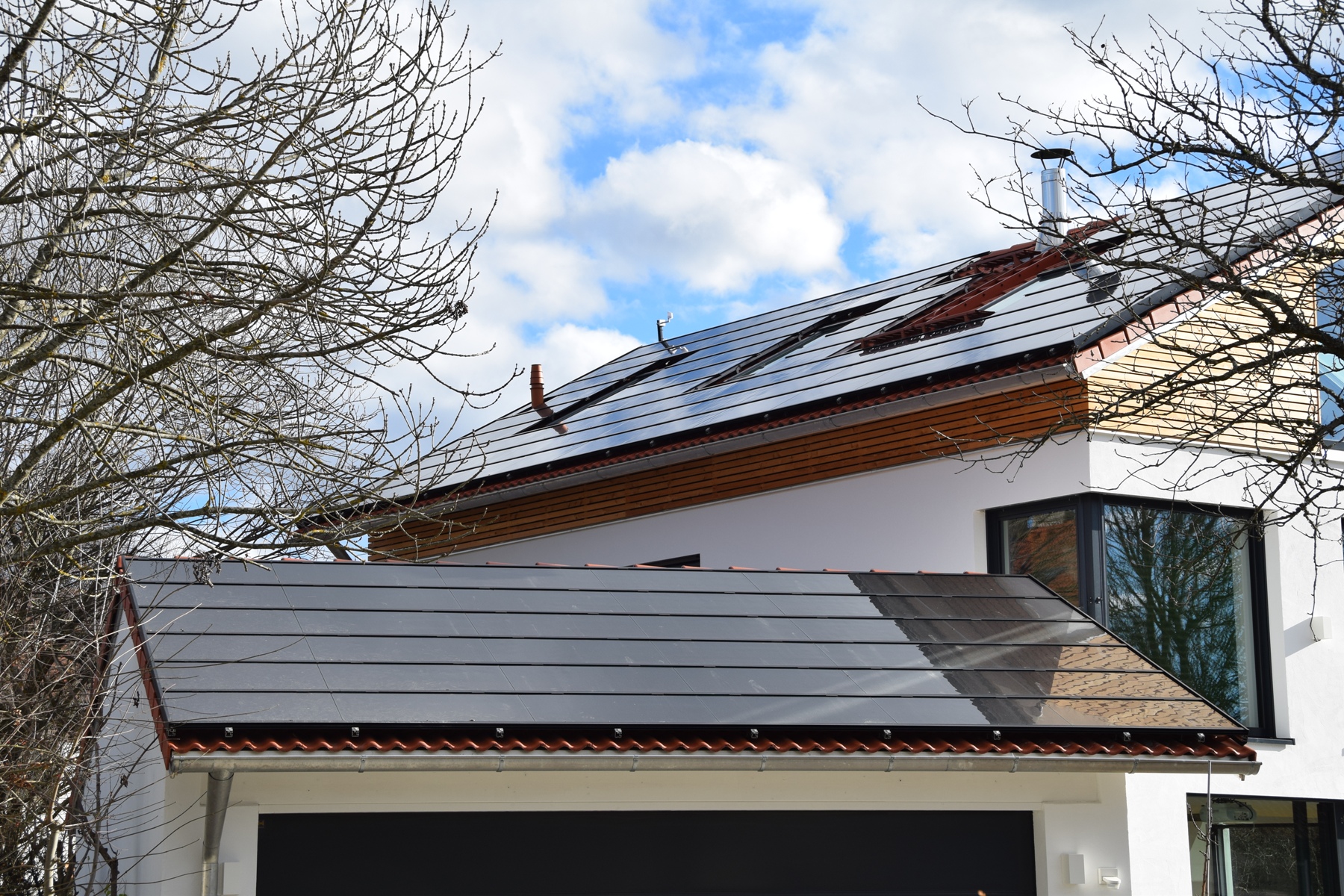
As an innovative solution for building photovoltaic integration, photovoltaic tiles offer multiple advantages:
Aesthetic Integration: Through innovative design, photovoltaic tiles achieve an organic integration with architectural aesthetics. Their appearance closely resembles traditional tiles, maintaining the functionality of photovoltaic modules while flexibly adapting to various architectural styles. This eliminates the visual fragmentation of conventional photovoltaic systems while giving the building a futuristic and technological feel.
Safety and Protection: Utilizing a specialized design and manufacturing process, photovoltaic tiles ensure rooftop security in complex climates. They withstand natural disasters such as wind, rain, and snow, while also providing excellent waterproofing. The optimized protection system significantly enhances overall building safety, providing long-term, stable security.
Investment Value: They demonstrate outstanding economic efficiency throughout their lifecycle, creating a positive return mechanism through continuous power generation revenue and optimized maintenance costs. Combined with a policy support system, they offer superior cost recovery compared to traditional solutions.
System Integration: Breaking through the traditional add-on installation model, they achieve deep integration of the power generation system with the building structure. The integrated design not only improves energy conversion efficiency but also enhances the building envelope, creating multi-dimensional value gains.
Durable Materials: PV tiles are made of high-quality materials, resulting in a long service life and low maintenance costs. Over their entire lifecycle, PV tiles have significantly lower maintenance costs than traditional roofing materials, saving owners significant maintenance costs.

Photovoltaic tiles, with their perfect combination of aesthetic design and efficient power generation, are leading a green revolution in building roofs. They not only cleverly resolve the conflict between traditional solar equipment and building appearance, but also create a new model for integrated rooftop building materials and power generation. With the continuous optimization of product performance and the expansion of application scenarios, this innovative material, which both protects the aesthetics of buildings and generates clean energy, is redefining the roof form of future buildings and providing smarter solutions for sustainable urban development.