
A research paper titled "Present status and future opportunities for all-perovskite tandem photovoltaics" was published in Nature Energy by Tan Hairen's team at Nanjing University. Jin Wen is the first author, with Tan Hairen from Nanjing University, Ulrich W. Paetzold from Karlsruhe Institute of Technology, Tang Jiang from Huazhong University of Science and Technology, and Henry J. Snaith from the University of Oxford serving as co-corresponding authors.
Key Highlights: This paper summarizes breakthroughs in all-perovskite tandem photovoltaics in three key areas: efficiency improvement, stability optimization, and scalable fabrication. Strategies such as interface engineering, defect manipulation, and tunnel recombination junction (TRJ) optimization are proposed to address current matching, non-radiative recombination, and long-term stability challenges of the wide-bandgap (WBG) and narrow-bandgap (NBG) subcells in tandem devices.
All-perovskite tandem solar cells represent the forefront of next-generation photovoltaic technology, offering a promising path to surpassing the Shockley-Queisser efficiency limit of single-junction solar cells while maintaining cost-effectiveness and scalability. However, the transition from laboratory-scale prototypes to commercial products faces numerous challenges. Large-area manufacturing requires the development of scalable fabrication techniques while minimizing performance losses compared to laboratory-scale spin-coating processes. Furthermore, achieving long-term stability, reliability, efficient integration from cells to modules, and high yield during practical deployment remain key challenges.
In light of this, the research team of Hairen Tan from Nanjing University, Ulrich W. Paetzold from Karlsruhe Institute of Technology, Jiang Tang from Huazhong University of Science and Technology, and Henry J. Snaith from the University of Oxford presents a comprehensive overview of recent progress in all-perovskite tandem solar cells, focusing on strategies to improve their efficiency and address stability and scalability challenges. They analyze the mechanisms driving efficiency improvements and highlight the unique advantages and key challenges of the positive-intrinsic-negative (p-i-n) architecture (also known as the inverted architecture) of wide-bandgap (WBG) and narrow-bandgap (NBG) subcells. By gaining insight into pathways to achieve reliable, durable, and high-performance all-perovskite tandem photocatalysts, they aim to support their deployment in large-scale applications.
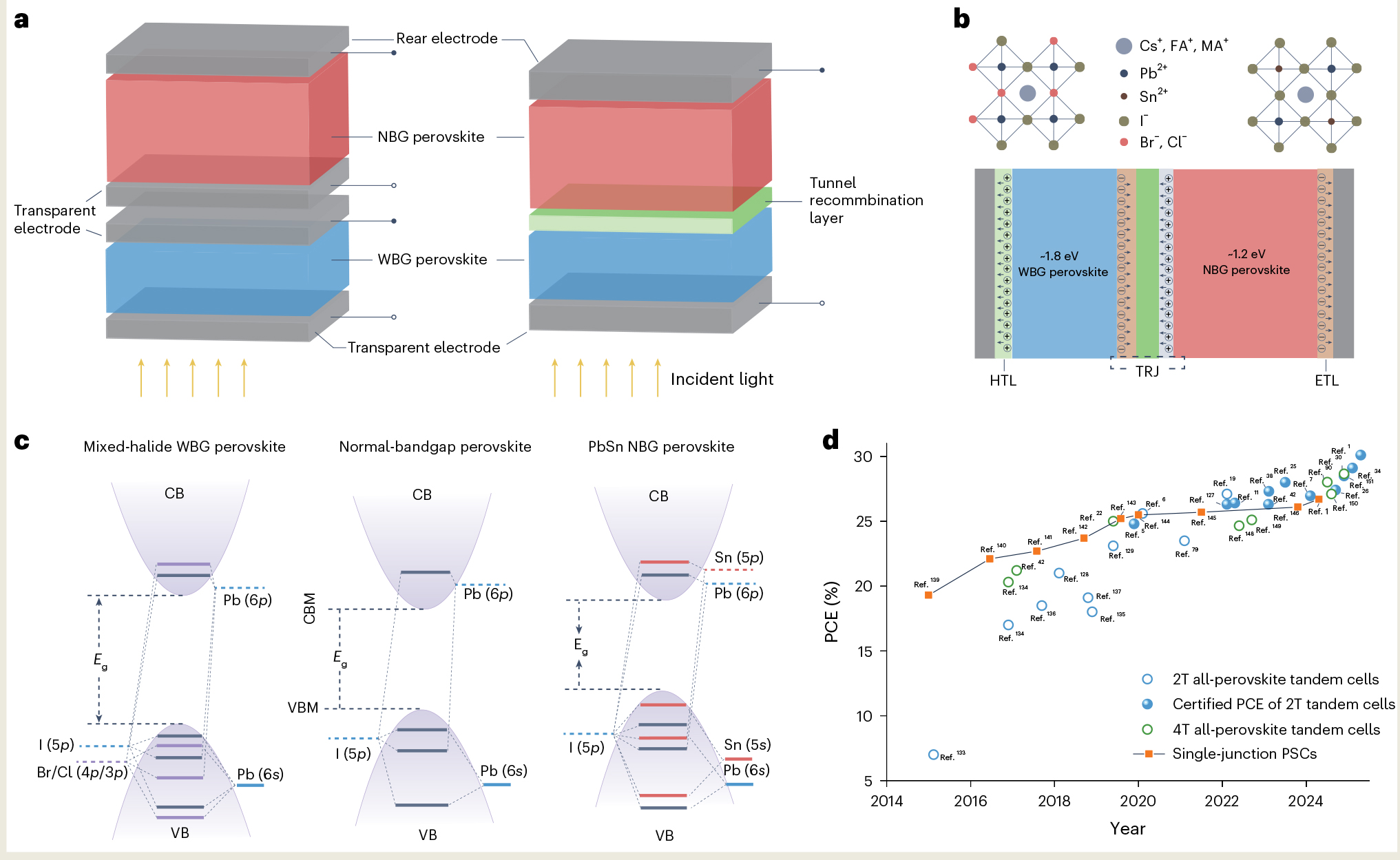
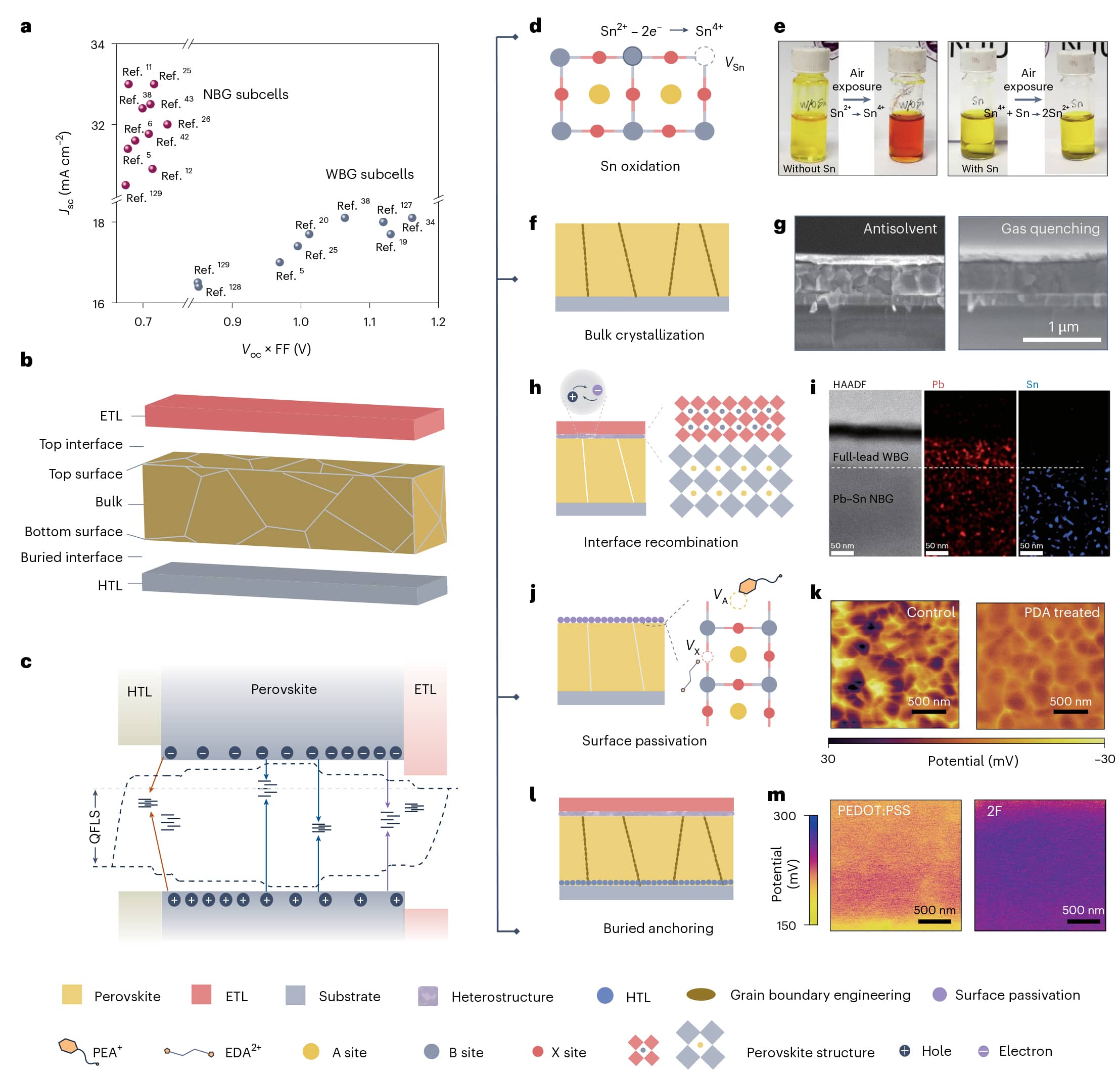
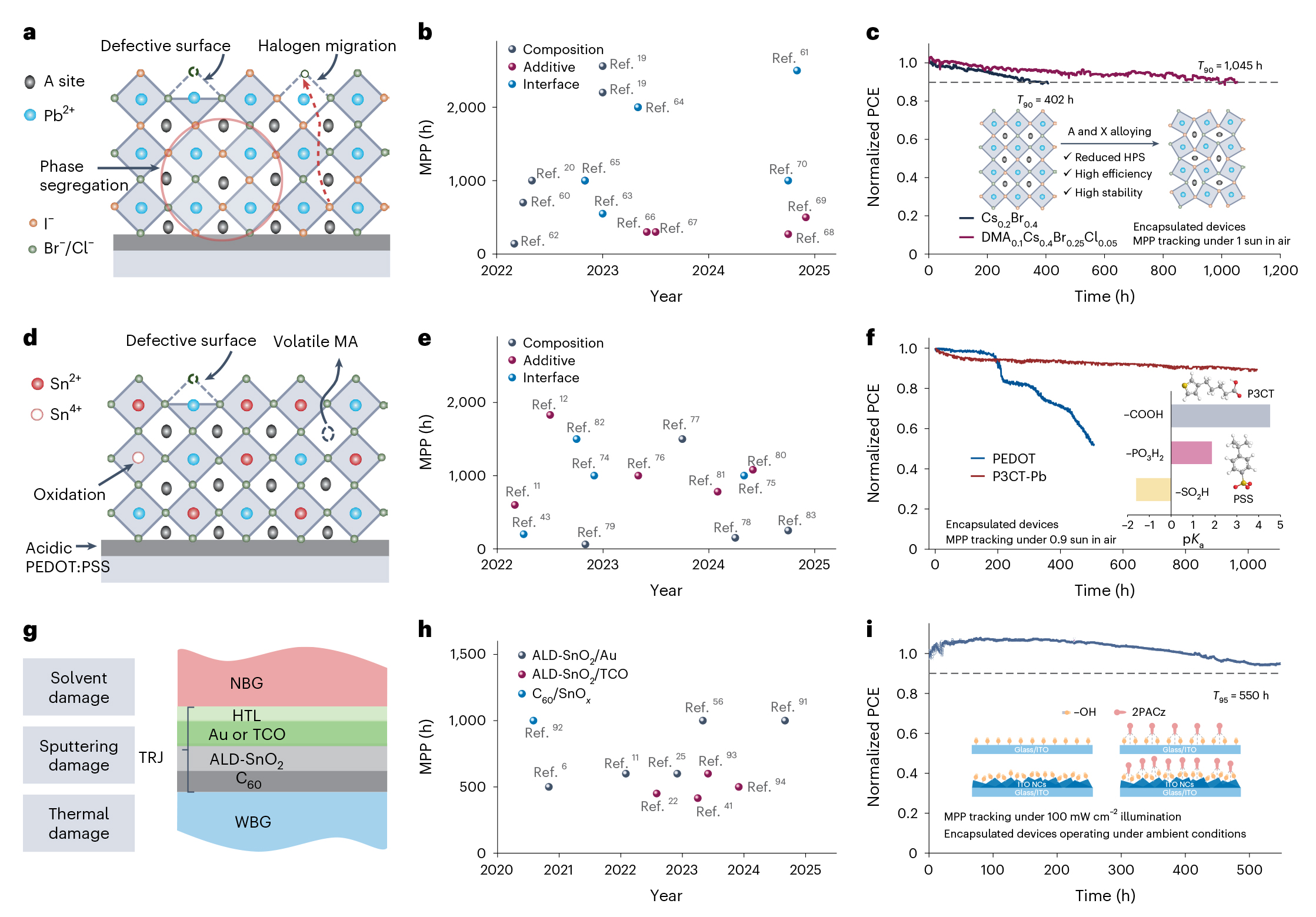
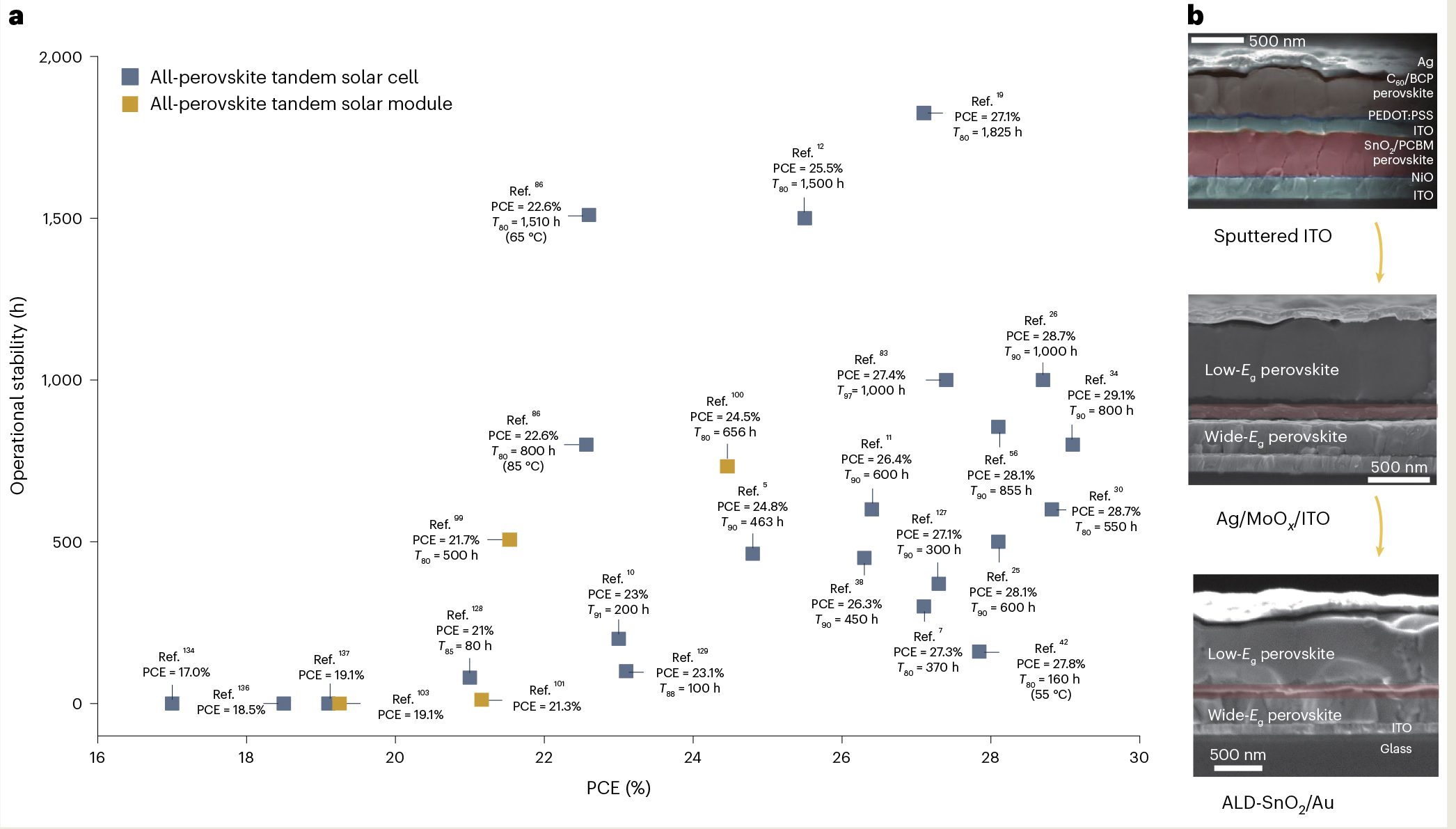
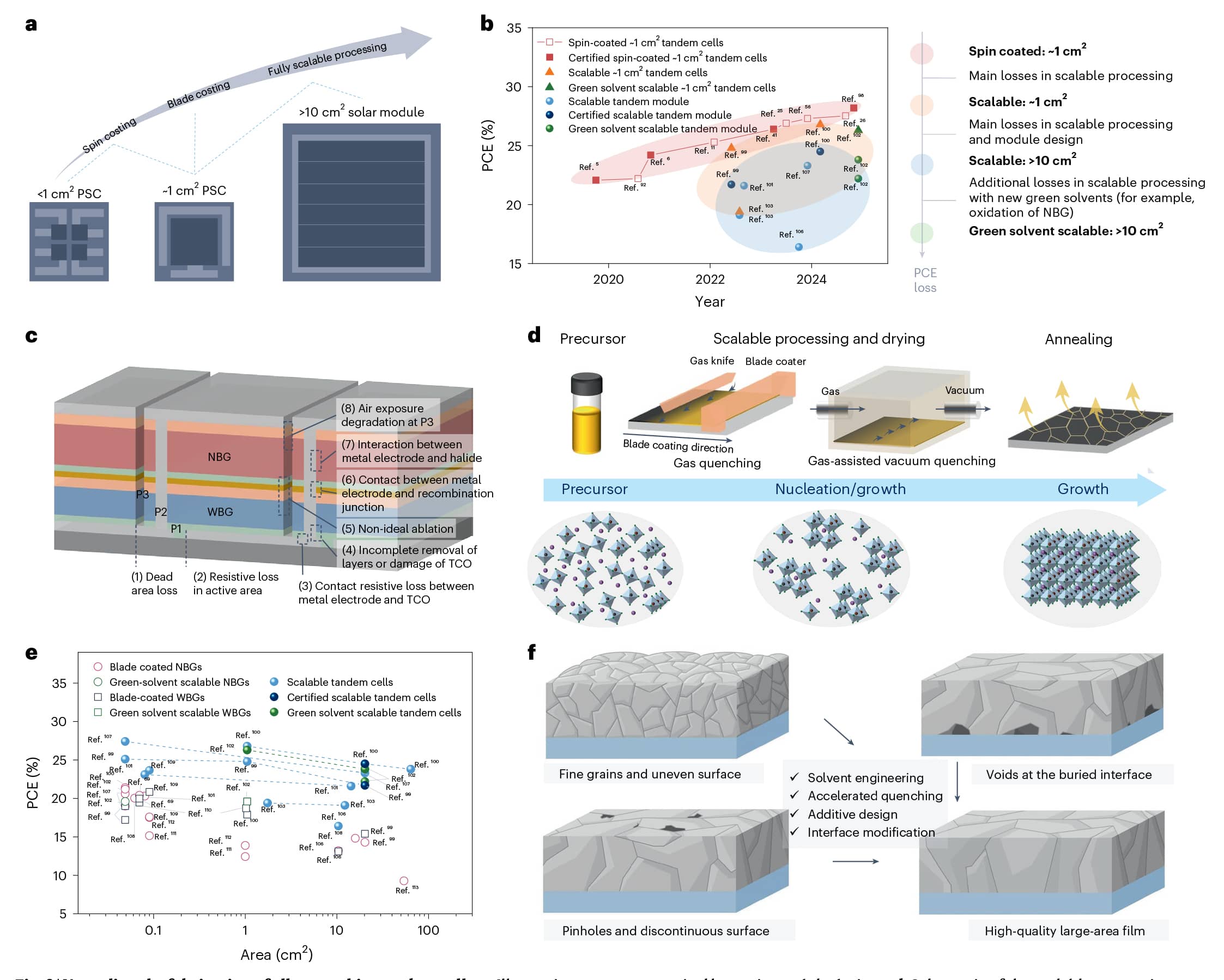
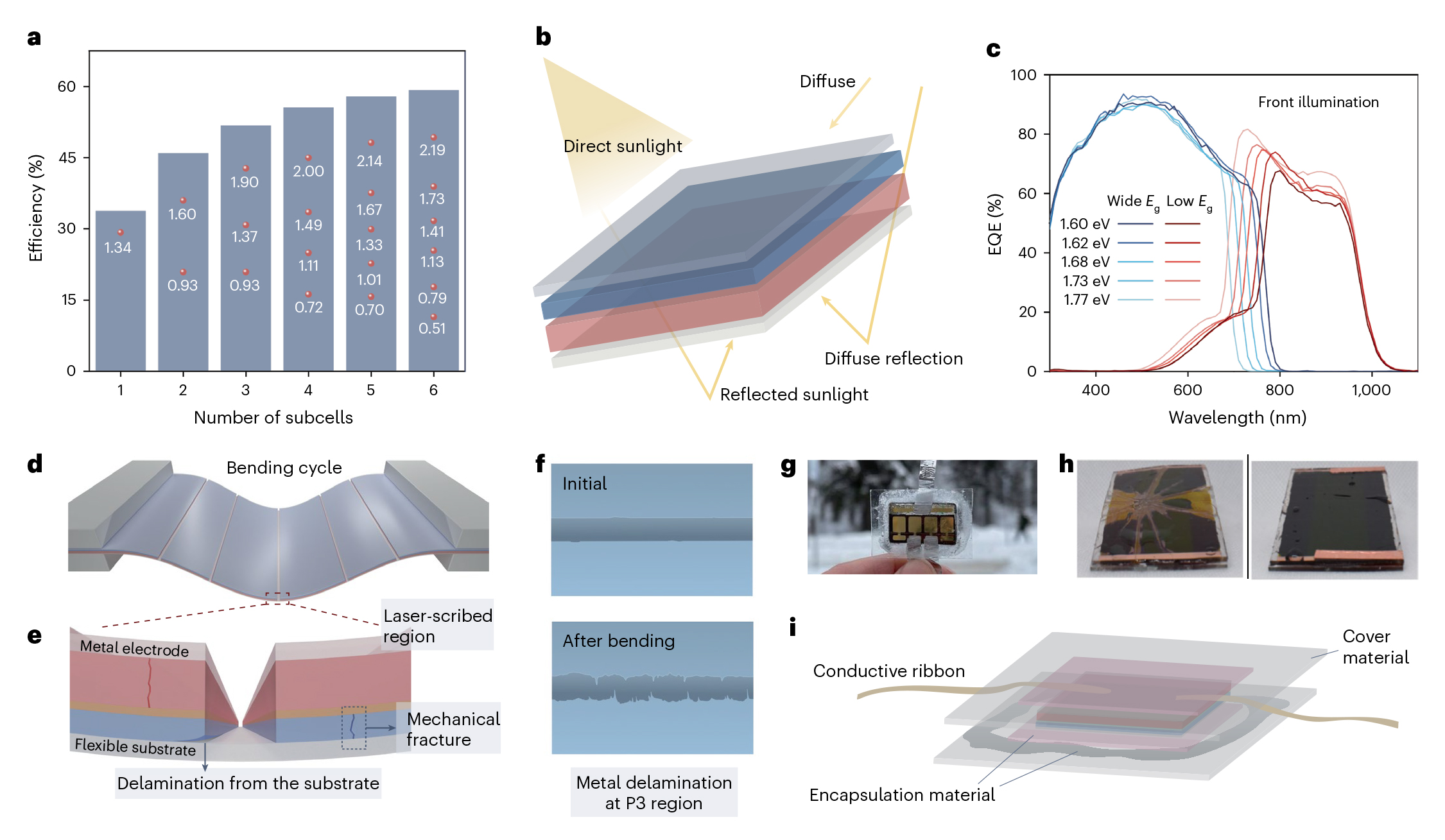
This study further explores the material and structural factors that influence tandem stability, focusing on emerging approaches to improving durability. It discusses the transition from small-area devices to large-area modules and highlights bottlenecks in large-scale processing. Key directions for future research are proposed, providing a roadmap for advancing all-perovskite tandem solar cells toward practical application.
Paper link: https://doi.org/10.1038/s41560-025-01782-0