In recent years, driven by the "dual carbon" goals, the scale of photovoltaic (PV) installations has continued to expand rapidly, especially with the application of building-integrated photovoltaics (BIPV), which has transformed PV from a simple power generation device into an integral part of buildings. However, with the deepening of application scenarios and the increase in system complexity, the safety issues of PV systems, especially fire risks, have increasingly become a focus of attention for owners, designers, and investors.
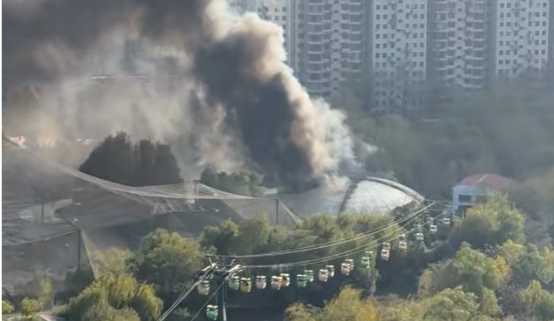
Among them, cadmium telluride (CdTe) photovoltaic glass, an important material in the BIPV field, has attracted much attention for its safety: is it a potential risk point or a reliable safety barrier? This article will systematically trace the origins of PV fire risks and deeply analyze the fire-resistant nature and system safety requirements of CdTe photovoltaic glass.
01 Tracing the Origins of PV Fire Risks: Systemic Problems, Not Single-Point Faults in Components
In-depth analysis of past cases shows that fire hazards in PV power plants rarely originate from spontaneous combustion of component materials; the root causes are mostly electrical system failures, failure of key auxiliary materials, and improper installation and maintenance. The main risks can be summarized as follows:
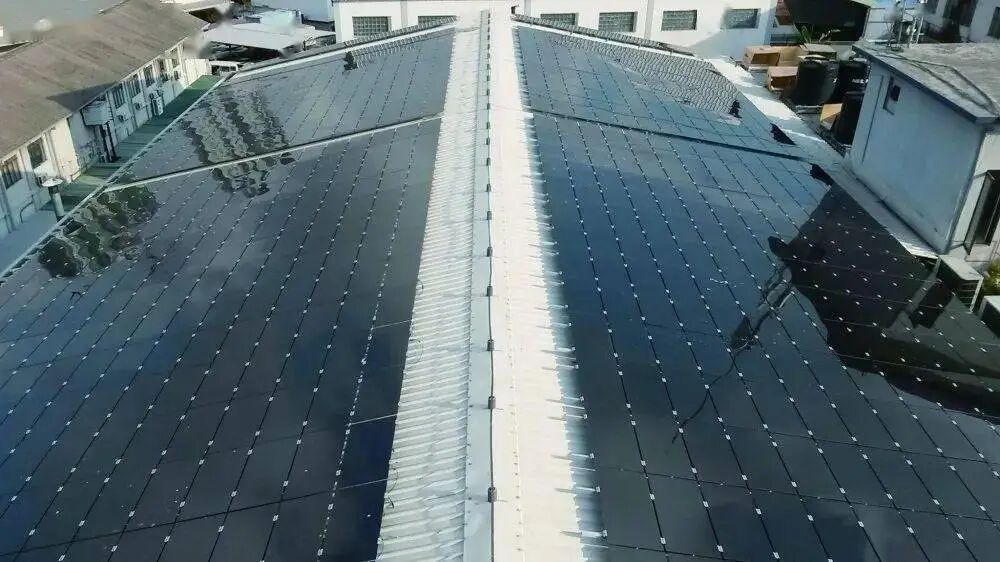
Hot Spot Effect: When solar cells are obscured by bird droppings, dust, or shade, that area transforms from a power generation unit into an energy-consuming resistor, causing a rapid increase in local temperature (up to 150°C or higher), posing a risk of igniting the backsheet or surrounding flammable materials. This is one of the key issues that traditional crystalline silicon modules need to address.
DC Arcing: Under high voltage on the DC side, loose connectors, aging cables, or poor contact can easily generate continuous electric arcs. These arcs are extremely hot and difficult to extinguish, easily leading to fires.
Installation Defects and Material Deterioration: Improper wiring during installation, failure to use dedicated flame-retardant cables, and inadequate grounding systems all create hidden dangers in the system. Furthermore, due to intense cost competition in the industry, the quality of some key auxiliary materials such as connectors and junction boxes varies greatly; their aging and melting can directly lead to short circuits and fires.
Lack of Maintenance: The lack of regular inspections, cleaning, and electrical testing prevents the timely detection and handling of these hidden dangers, leading to the accumulation of risks.
Industry data shows that the overall pass rate of photovoltaic modules faces challenges, clearly indicating a profound shift in industry competition from simple "scale and speed" to "quality and safety."
02 The Fire-Resistant Nature of Cadmium Telluride Photovoltaic Glass: A Multi-Layered Safety Barrier
Unlike the aforementioned systemic risks, cadmium telluride thin-film photovoltaic glass possesses excellent inherent fire-resistant properties from its material and structural design, providing multiple safety guarantees for BIPV applications:
Structural Encapsulation: A Physical Barrier of Double Glass
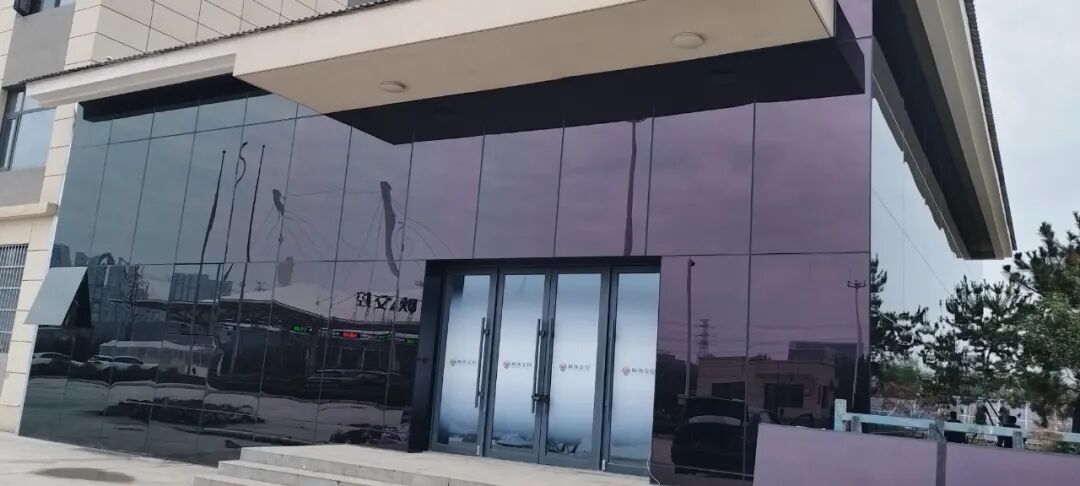
Taking a double-glass cadmium telluride module as an example, its structure consists of "photovoltaic substrate glass + PVB/EVA film + backsheet glass." Both front and back glass are Class A non-combustible materials with high melting points, effectively isolating oxygen and preventing the flame from spreading inwards and outwards in a fire, providing crucial protection for the internal cadmium telluride photovoltaic film layer.
Electrical Characteristics: Lower Hotspot and Fire Risk
Weak Hotspot Effect: The cadmium telluride (CdT) module's power-generating film layer is uniformly covered on the glass, rather than consisting of individual cells connected in series. This elongated cell design reduces sensitivity to localized shading/shading, minimizing the formation of extremely hot spots.
High Voltage, Low Current Operation: At the same power output, the operating current is lower, resulting in less cable heat loss and reducing the risk of fire due to overheating from a circuit principle perspective.
Material Inherent: High-Temperature Stability and Safety: Cadmium telluride compounds are stable with a melting point as high as 1041℃. At typical fire temperatures (800-1000℃), the cadmium telluride is insufficient to vaporize and release toxic substances. Even if the glass softens at higher temperatures, studies show that the compound semiconductor film remains encapsulated within the softened glass, with cadmium loss less than 0.04% of the total cadmium content of the module, far lower than the toxic gases produced by the combustion of common building materials.
Authoritative Certification: High-quality cadmium telluride modules have passed rigorous fire resistance tests, meeting the highest levels of domestic and international fire resistance standards, such as IEC 61730, UL 790 (Class A), and the national standard GB/T 8624 Class A non-combustible material certification. This demonstrates their structural integrity and flame-retardant capabilities under simulated extreme fire conditions.
03 Beyond Modules: Full-Chain Management is Key
It must be emphasized that regardless of the type of modules used, the absolute safety of a photovoltaic system cannot rely solely on the modules themselves, but must be built upon a comprehensive, systematic design and management across the entire chain:
Electrical safety is paramount: Photovoltaic-specific DC cables conforming to certification standards should be used to avoid short circuits or leaks caused by insulation damage. The selection and installation of connectors must be given high priority. Reliable brand products with long-standing proven track records should be used to ensure stable connections and eliminate the risk of arcing due to poor contact.
Professional Installation and Acceptance: The installation team must be proficient in photovoltaic electrical systems, ensuring all electrical connections are secure, insulation is in place, and the grounding system is complete. Strict acceptance testing, including insulation resistance testing, must be conducted upon completion.
Operation and Maintenance & Supervision: Regular inspections and cleaning are essential to promptly identify and address issues such as obstruction, aging cables, and loose connections. Industry policies and standards (such as the "Technical Standard for Application of Building Photovoltaic Systems," the "Design Code for Photovoltaic Power Stations," and local fire safety technical standards) are continuously being improved, providing a legal basis for safety throughout the entire lifecycle.
04 Safety is Defining Future Competitiveness
Currently, the development logic of the photovoltaic industry is deepening. From the national to the local level, a series of standards and regulations strengthening safety have been successively introduced; from companies launching new components with integrated safety features to the industry focusing on the reliability of connectors and other auxiliary materials, it is clear that the competitive dimension has shifted from "installed capacity" and "cost" to building a comprehensive capability system encompassing "inherent product safety, reliable system operation, and controllable risks throughout the entire lifecycle."
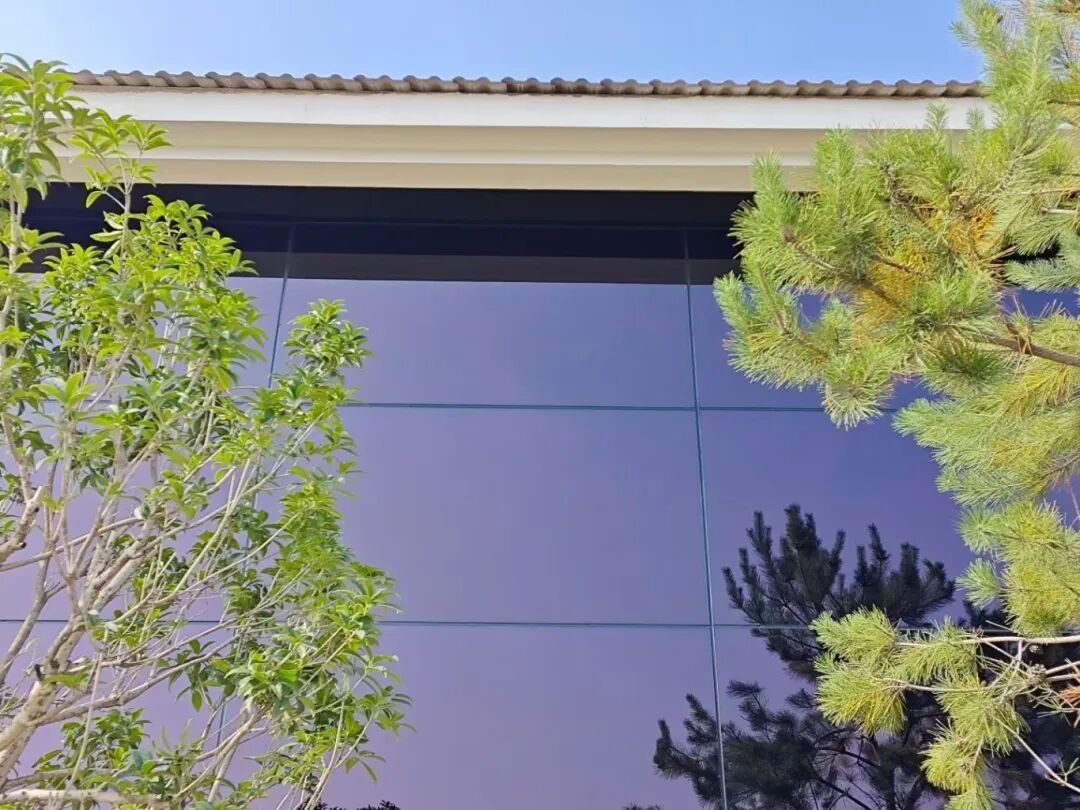
In summary, cadmium telluride photovoltaic glass, with its unique double-glazed fireproof structure, high thermal stability, and optimized electrical properties, is itself a building material with excellent fire resistance and is not a major source of fire risk for photovoltaic systems. True risk management lies in recognizing that photovoltaic safety is a systemic project.
Choosing cadmium telluride modules is an important step in building a high-quality safety baseline. However, the ultimate safety barrier comes from adherence to and respect for every aspect of the system—from high-quality auxiliary materials and professional design and installation to strict operation and maintenance standards. This comprehensive upgrade centered on "safety" is a clear sign that the photovoltaic industry is bidding farewell to extensive growth and moving towards a new stage of high-quality development.