Recently, a photovoltaic module atop the elevated sound barrier on Shanghai's Hongmei South Road suddenly caught fire, sending thick smoke and falling debris. This project, a pioneering demonstration of integrated "photovoltaic + sound barrier" systems on elevated roads in China, encountered a major safety challenge less than a month after operation. Initial analysis indicated the module materials' Class B fire rating—a threshold for meeting basic regulations—but this vulnerability was exposed during a "stress test" in a real-world traffic environment:
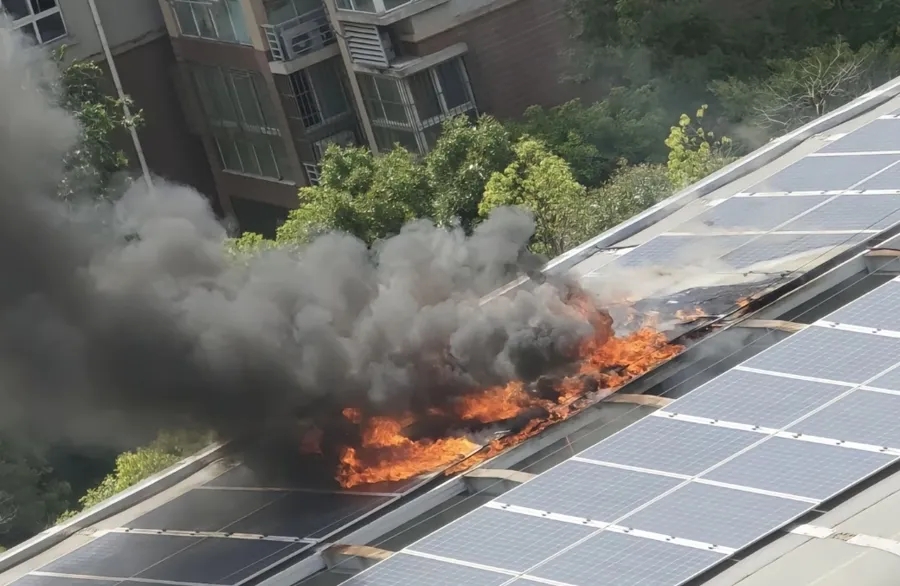
High-temperature, high-pressure "amplifier": The elevated environment combines intense sunlight, heat waves from vehicle exhaust, potential oil contamination, and constant vibration, far exceeding ideal laboratory conditions.
Obstruction-induced "heat bombs": Partial obstruction from sources such as bird droppings and fallen leaves can easily create deadly hot spots exceeding 110°C on traditional crystalline silicon modules, becoming ignition sources.
Fast spread and difficult to extinguish: Class B materials burn quickly, accompanied by toxic black smoke and falling debris, posing a significant threat to traffic safety and rescue efficiency within the enclosed space of the elevated road.
In dynamic and complex traffic scenarios, materials that merely meet the "bottom line" of compliance are far from sufficient to shoulder the heavy burden of public safety. Zhongmao Green Energy Technology's pioneering Cadmium Telluride solar glass technology is setting a new safety standard for the industry with its superior Class A fire protection and other comprehensive performance.
01 Cadmium Telluride Solar Glass
The "Guardian" of Transportation Photovoltaic Safety
Facing the stringent demands of traffic scenarios, Cadmium Telluride solar glass (CdTe) leverages its inherent material and structural properties to provide a multi-dimensional safety defense:
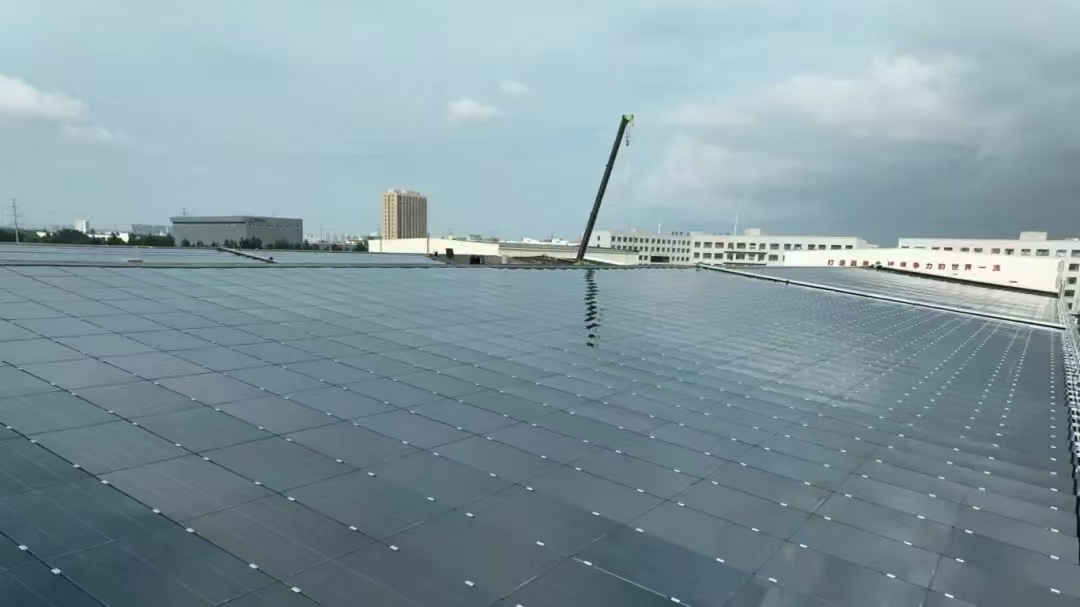
Class A fire protection, eliminating the root cause of fire hazards
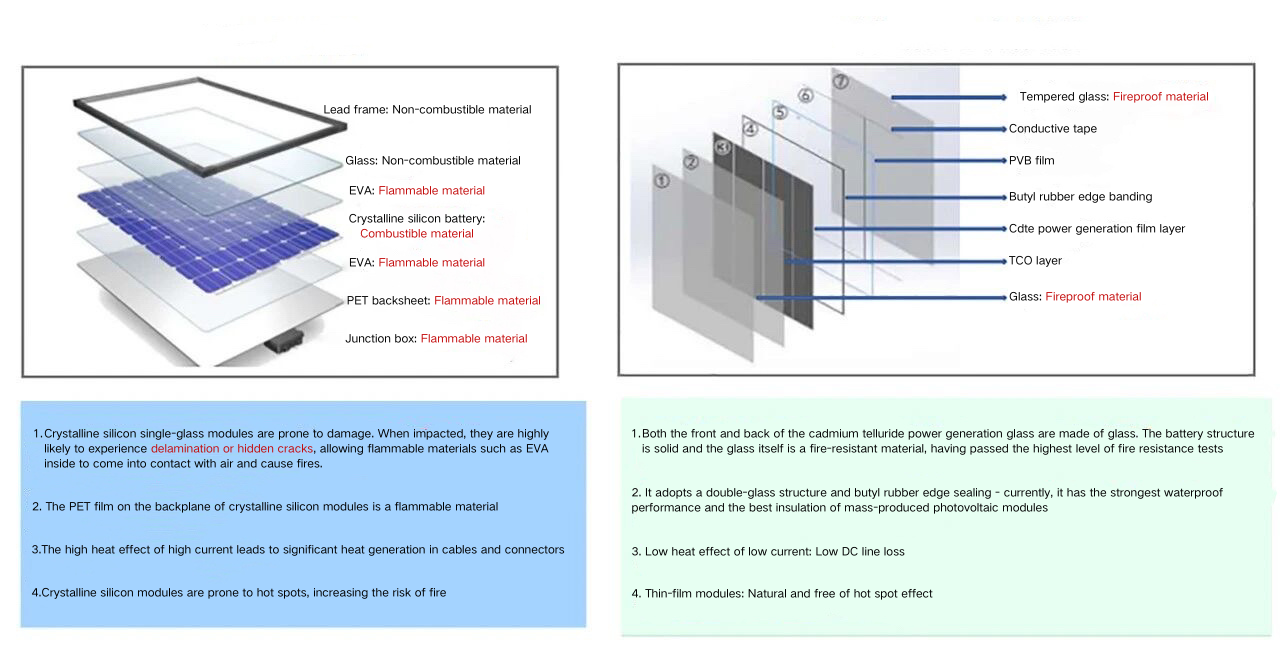
The core material of Cadmium Telluride solar glass is inherently Class A non-combustible (strictly meeting the highest certification standards of international EN13501 and national standard GB/T8624).
It remains flame-resistant and non-spreading in intense flames, effectively blocking the spread of fire and saving precious time for saving lives and protecting property.
It meets the requirements of GB50016 "Code for Fire Protection Design of Buildings" and is suitable for various residential, industrial, and transportation building scenarios.
Unafraid of External Impact
Traffic environments are complex, with the risk of flying rocks, falling objects, and even potential accidental collisions omnipresent. Cadmium telluride thin films are grown directly on high-strength glass substrates, ensuring a robust structure.
According to GB29551, "Solar Photovoltaic Laminated Glass for Architectural Use," Cadmium telluride glass exhibits no internal cracks and zero degradation in power generation performance after a rigorous shotgun impact.
In contrast, traditional crystalline silicon modules are prone to developing invisible cracks after impact, posing a safety hazard and a source of performance degradation. Cadmium telluride's impact resistance ensures the structural safety and operational stability of facilities such as elevated sound barriers and photovoltaic roofs over the long term.
Say Goodbye to "Hot Spots" and Spontaneous Ignition
Shaded areas of crystalline silicon modules are prone to forming "hot spots," where temperatures can soar to over 110°C. However, even when partially shaded, the surface temperature of Cadmium telluride solar glass remains firmly within a safe range of below 80°C, significantly lower than the approximately 40°C of crystalline silicon modules. Excellent high-temperature stability physically eliminates the possibility of spontaneous combustion caused by shading.
02 Beyond Safety
Cadmium Telluride Unlocks New Value in "Photovoltaic + Transportation"
Safety is the cornerstone, but the value of cadmium telluride goes far beyond this:
Lightweight Integration: Lower weight per unit area reduces the load on existing structures such as viaducts and sound barriers, lowers reinforcement costs, and expands application areas (such as the renovation of old bridges).
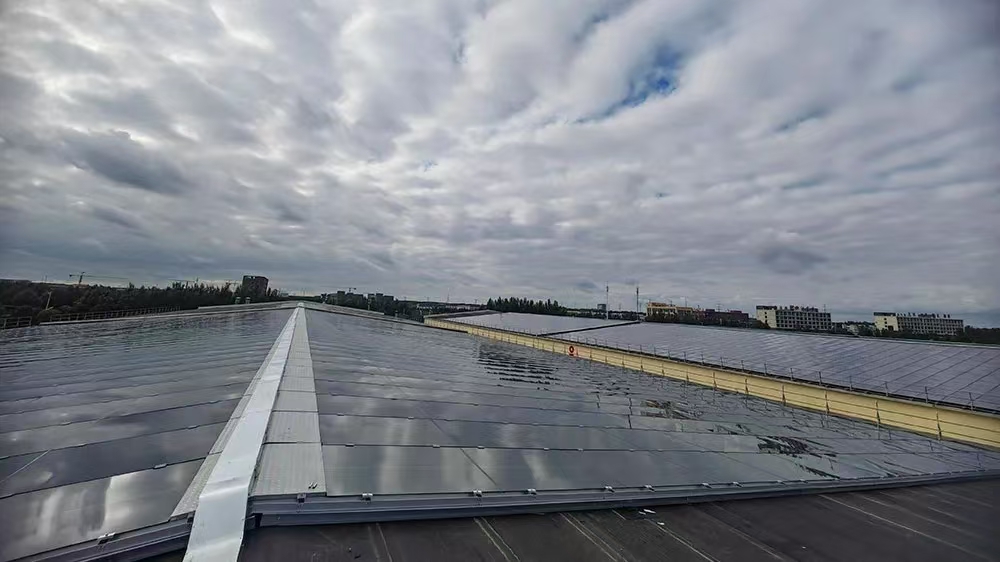
The King of Low-Light Power Generation: Higher power generation efficiency in low-light environments such as cloudy days, mornings and evenings, and at tunnel entrances. It is particularly well-suited for traffic scenarios with varying lighting conditions, improving overall power generation returns.
Aesthetics and Transparency: Customizable transmittance and color seamlessly integrate into urban landscape designs, creating a "green transportation landmark" that combines functionality and aesthetics.
Lower Carbon Emissions Throughout the Lifecycle: Low energy consumption and high recycling rates yield a significantly better carbon footprint than crystalline silicon, aligning with the goal of deep decarbonization in the transportation sector.
Application scenarios are accelerating:
Highway/Elevated Sound Barrier Systems: The exterior layer is clad with CdTe solar-generating glass, while the interior layer features high-efficiency sound-absorbing and insulating materials, achieving integrated power generation and noise reduction. This maximizes the use of linear space and reduces the operating energy consumption of road infrastructure.
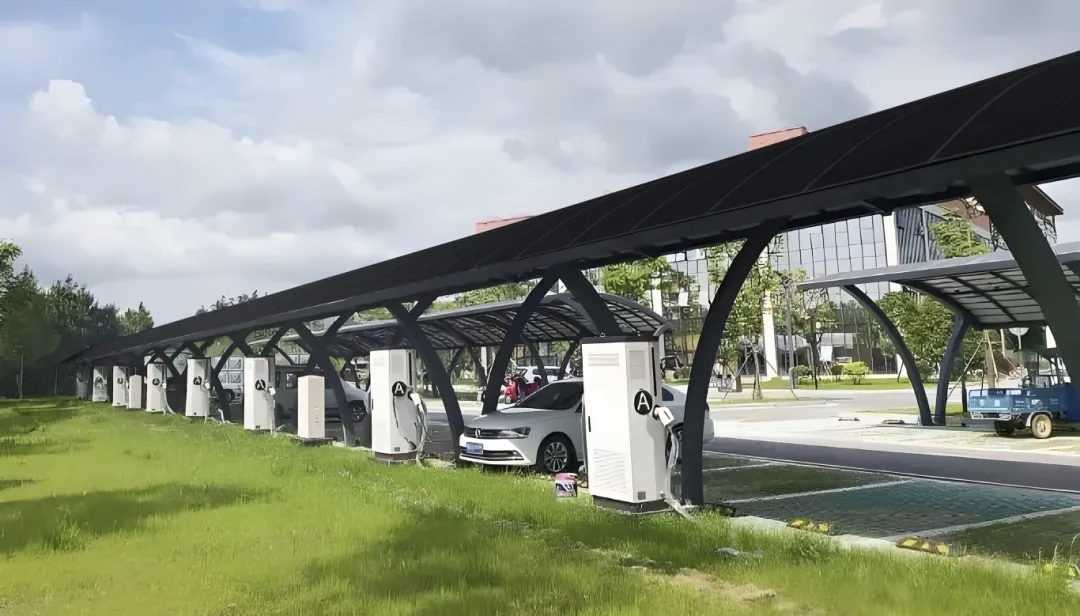
Photovoltaic Charging Stations/Smart Parking Sheds: The roof utilizes semi-transparent CdTe modules, providing both sun protection and rain protection, natural lighting, and clean power generation. Its lightweight structure allows for direct power supply to charging stations or grid integration.
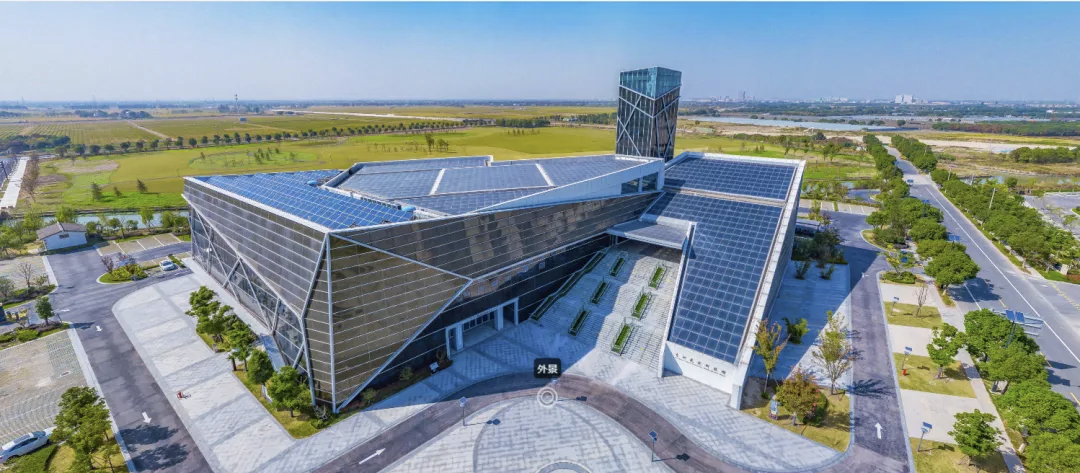
Transportation Hub Empowerment: Widely used in large-scale roofs and facades at airports, high-speed rail stations, and bus hubs, CdTe solar-generating glass can be replaced to provide clean electricity, enhancing the building's technological appeal and energy efficiency.
Pedestrian Bridges and Tunnel Entrance Lighting: Integrated CdTe modules provide green energy for lighting and auxiliary facilities, achieving "self-generation for self-use" and promoting low-carbon transportation.
03 Safety
It's a Choice, But More Than a Responsibility
The thick smoke on Hongmei South Road has dissipated, but its warning remains: While pursuing green benefits, safety performance is the uncompromising bottom line for transportation photovoltaic projects. Traditional materials with low fire ratings, weak impact resistance, and susceptibility to hot spots pose significant risks in complex and dynamic traffic environments. Cadmium telluride solar glass, with its Class A fire rating, excellent impact resistance, and superior high-temperature resistance, provides a solid safety foundation for "photovoltaic + transportation." When planning and constructing transportation photovoltaic projects, we should prioritize high-performance and high-safety materials like cadmium telluride. The stability of cadmium telluride safeguards the progress of green transportation! Zhongmao Green Energy Technology uses advanced cadmium telluride technology to reshape the future of safe, efficient, and low-carbon transportation energy!