In 2026, the photovoltaic industry entered a critical phase of high-quality development. In regions with high electricity demand and rapid growth in photovoltaic installations, investors are facing triple pressures: drastic price fluctuations brought about by electricity market reforms, the risk of asset damage under severe weather conditions, and doubts about brand sustainability over a 25-year operating cycle. Uncertain returns, inadequate safety guarantees, and unreliable partners have become real challenges.
Cadmium telluride photovoltaic glass, based on its own technical characteristics, offers an alternative path in these three dimensions.
I. High Electricity Price Fluctuations: Low-Light Generation + Low Temperature Coefficient, Locking in High-Value Periods
With the nationwide rollout of electricity market trading, the contradiction between peak photovoltaic output at midday coinciding with low electricity prices and a sharp drop in photovoltaic output during high evening electricity prices is becoming increasingly prominent. The conflict between grid integration and profitability has become a common challenge.
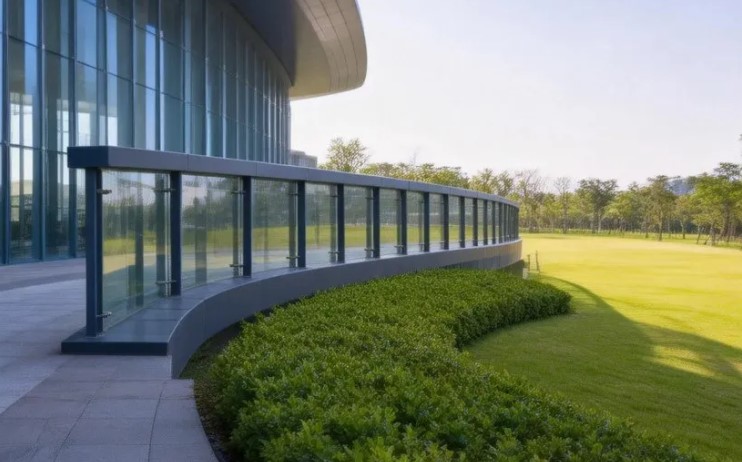
Cadmium telluride photovoltaic glass exhibits significant advantages in the following aspects:
Continuous output under low light conditions: On cloudy days, in smog, and during the early morning and evening when sunlight is weak, crystalline silicon modules experience a significant drop in output, while cadmium telluride maintains stable power generation, effectively extending the actual discharge time during peak electricity price periods throughout the day. This characteristic is practically valuable across various climate zones.
Smaller efficiency degradation at high temperatures:In high-temperature regions during summer, module operating temperatures often exceed 60°C. CTD's temperature coefficient is approximately half that of crystalline silicon, resulting in significantly lower power generation loss under high-temperature conditions and stable power generation gains in hot weather.
No hot spot effect, strong anti-shading capability: It eliminates the need for frequent hot spot detection, has good anti-fouling properties, and low maintenance costs, making it particularly suitable for high-dust environments such as mines and cement plants, resulting in higher power supply reliability.
Ⅱ. High scenario complexity:** BIPV integration, building-in-the-station
In areas with frequent severe weather, extreme weather conditions such as strong winds, hail, and flying rocks pose a direct threat to modules and support structures. Meanwhile, many old industrial plants lack sufficient load-bearing capacity, airports and highways have strict anti-glare requirements, and dust accumulation is a prominent issue in agricultural and industrial areas. Traditional photovoltaic products struggle to simultaneously address all these constraints.
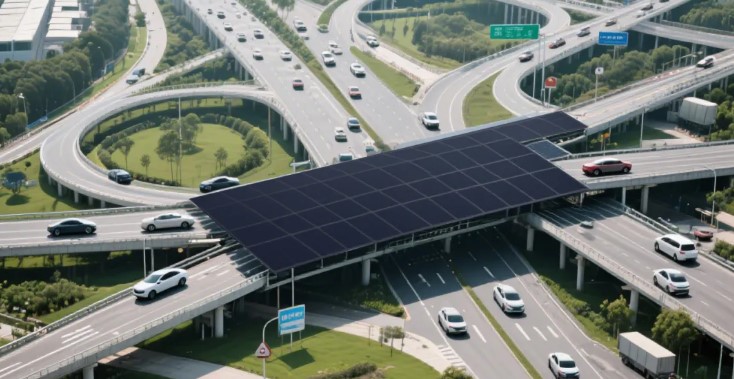
Cadmium telluride photovoltaic glass] combines "building material function" and "power generation function" into one:
Structural Safety: Utilizing a double-glazed structure, it achieves a Class A fire rating. Vertical slits minimize power loss during partial shading. Verified in actual projects, it effectively withstands impacts from foreign objects in severe weather.
High Customizability: Light transmittance can be adjusted from 0-60% as needed. Colors, patterns, and sizes can all be customized to meet architects' aesthetic requirements and the lighting needs of different functional spaces.
Flexible Selection for Different Scenarios: Lightweight models are suitable for low-load roofs such as old factories and parking sheds, requiring no structural reinforcement; anti-glare models meet compliance requirements in traffic-sensitive areas such as airports and highways; insulated models combine thermal insulation performance, achieving dual benefits of energy saving and power generation.
From areas prone to severe weather to various industrial and public building scenarios in inland areas, cadmium telluride (CdT) provides a "one-material, all-scenario-adaptable" solution, rather than a patchwork of multiple products.
III. Low Brand Trust: National Catalog Endorsement + Full-Lifecycle Service, Standing the Test of Time
Photovoltaic power plants are designed to operate for over 25 years, but many companies themselves cannot survive that long. Once warranties, services, and spare parts become unavailable, long-term benefits become meaningless.
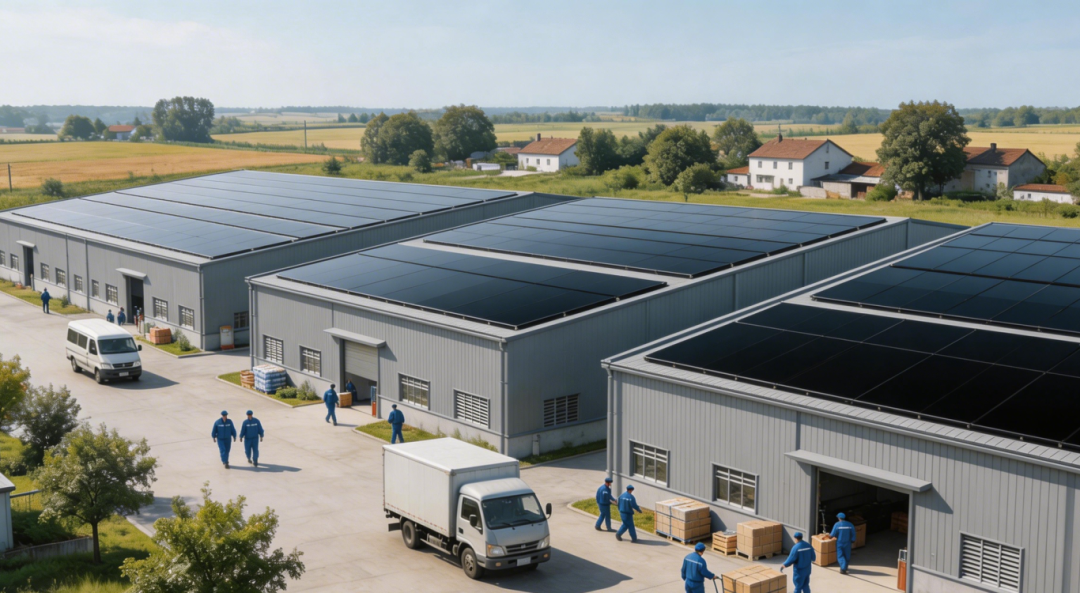
Cadmium telluride photovoltaic glass has solid support in terms of brand reliability:
Explicit Policy Recognition:It has been included in the Ministry of Industry and Information Technology's 2025 "Catalog of Technologies and Products Encouraged for Promotion and Application in the Building Materials Industry," becoming a key material promoted in the building-integrated photovoltaics (BIPV) field. Many regions have introduced BIPV project subsidy policies and included Cadmium telluride photovoltaic glass in green building evaluation standards.
Low Carbon Throughout the Lifecycle: Carbon emissions per kilowatt-hour of electricity generated are only about 11 grams, less than 1% of that of thermal power. The material system can be recycled and separated, aligning with the carbon reduction requirements of the building and energy sectors under the "dual-carbon" strategy.
The economic benefits are clear: the incremental investment is approximately 500 RMB per square meter, with a payback period of about 5 years. It then generates electricity revenue for over 25 years, and can be further supplemented by green building subsidies, photovoltaic subsidies, and carbon trading, offering multiple returns.
Choosing cadmium telluride is not choosing a "new product," but rather a mature technology system backed by national catalogs, with numerous successful implementation cases and a clear payback period.
Conclusion
Facing the realities of fluctuating electricity prices, severe weather, diverse application scenarios, and high brand trust costs, cadmium telluride offers a superior solution for building-integrated development (BIIDE), zero-carbon parks, high-temperature and high-humidity environments, low-light conditions, and complex architectural designs.
ZOOM SOLAR Green Energy Technology lays a solid foundation for your long-term benefits. Choosing the right technology is crucial, but choosing the right partner is even more important—making every kilowatt-hour of electricity more stable and worry-free.