As global urbanization continues, energy consumption in the building sector has become a key component of carbon reduction strategies. While current mainstream passive energy-saving technologies can achieve basic energy consumption control, they still have significant limitations in coping with extreme climate conditions and dynamic energy demands. More adaptable solutions are needed. Many people are retrofitting photovoltaic panels onto existing buildings, a practice known as BAPV. Common installation methods include rooftops and walls. While this approach requires no major structural modifications and is relatively cost-effective, the following issues should be addressed with BAPV's "surface-mounted" approach:
First, structural safety dilemmas. Insufficient structural loads require reinforcement. The existing roof's bearing capacity is insufficient to accommodate the additional load from photovoltaics, posing structural safety risks such as snow collapse and wind-induced lift in extreme weather.
Second, waterproofing. Bracket installation can easily damage the existing waterproofing layer. Retrofitting can obstruct drainage paths, increasing the likelihood of water accumulation and the risk of leakage during operation and maintenance.
Third, accelerated equipment aging. Inadequate protection for external inverters, junction boxes, and other equipment can accelerate equipment aging due to environmental corrosion.
Is there a better solution? Yes, let us turn our attention to BIPV (building integrated photovoltaics).
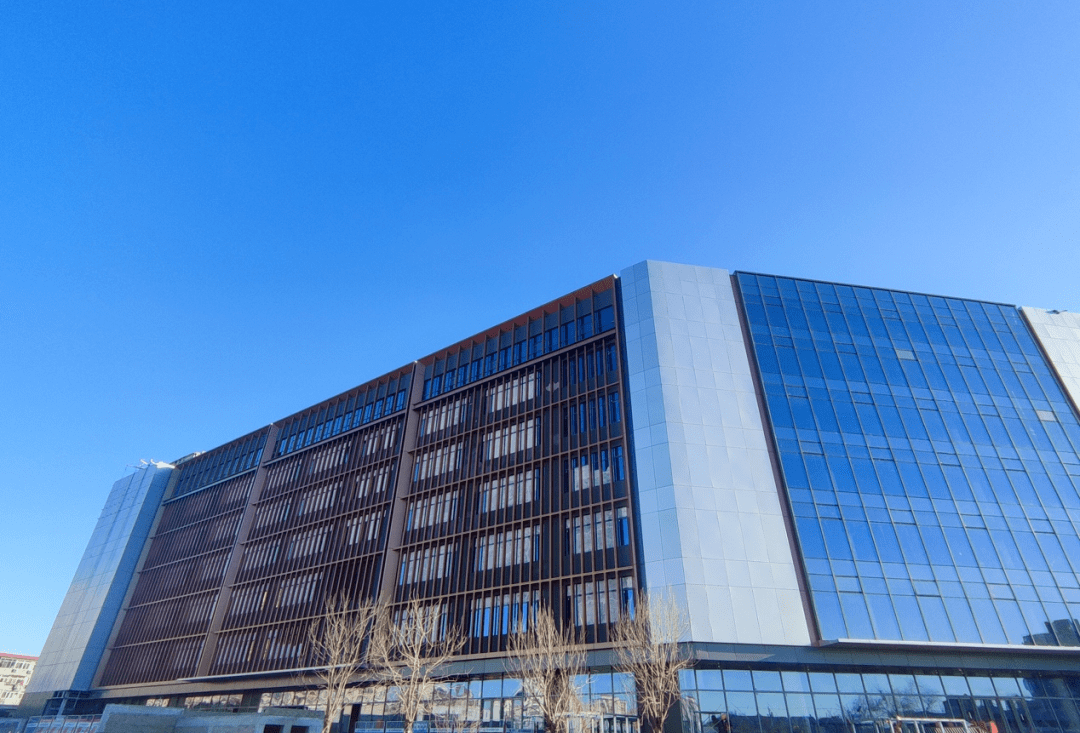
When photovoltaics are no longer just a "plug-in" feature of a building, they evolve into its own "energy generator," achieving sustainable energy self-sufficiency while maintaining the building's inherent functional integrity. Building-integrated photovoltaics (BIPV) emphasizes the integration of photovoltaic modules and architecture. Cadmium telluride solar glass, as part of the building material, performs both power generation and building functions. This integrated design not only addresses many of the drawbacks of BAPV but also offers numerous unique advantages:
Core Advantages of Building-integrated Photovoltaics (BIPV)
1. Architectural Aesthetics: By adjusting multiple parameters such as module color, shape, and light transmittance, the aesthetics of the building can be enhanced, achieving visual integration between the photovoltaic components and the building's facade/roof.
2. Building Energy Transformation: This reduces energy consumption, improves building energy efficiency, and simultaneously reduces embodied carbon emissions during operation.
3. Structural Safety: The modules require no additional support structures and, unlike BAPV, are exposed to external forces, making them less susceptible to corrosion and more secure.
4. Advantages of prefabricated integration: less construction difficulty, shorter construction period, better installation portability than BAPV, and the deep integration of components and buildings improves stability and longer life.
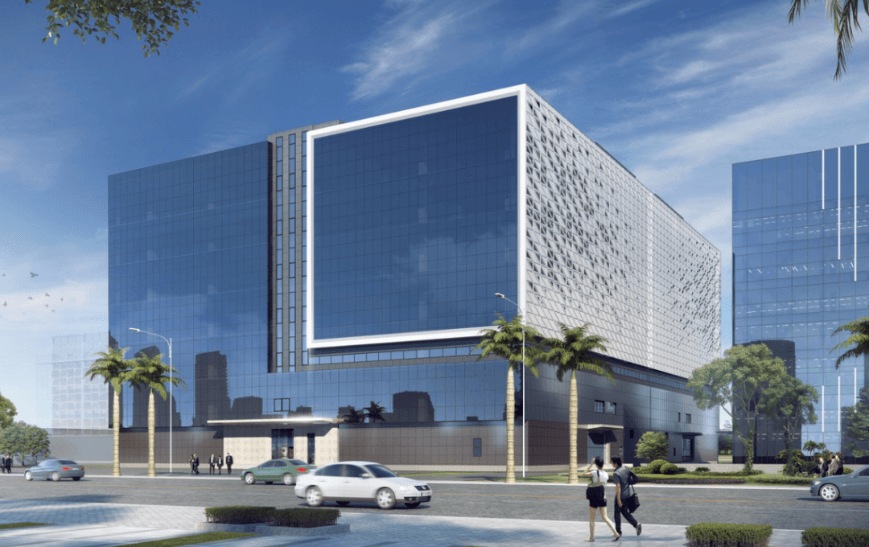
Breakthroughs in Technology and Materials
BIPV photovoltaic modules are divided into crystalline silicon photovoltaic modules and thin-film photovoltaic modules. Compared to traditional crystalline silicon modules, cadmium telluride thin-film photovoltaic modules offer the following advantages:
1. Adjustable transmittance: Transmittance can be customized according to building requirements, meeting the dual needs of daylighting and power generation.
2. Improved low-light and high-temperature performance: Power generation efficiency is higher and adaptability is greater in low-light and high-temperature environments. They offer extended operating times, generating approximately 3-8% more power than traditional products of the same installed capacity.
3. High design flexibility: Customizable colors and patterns perfectly complement architectural designs and enhance aesthetic value.
4. Non-toxic and environmentally friendly: Cadmium telluride photovoltaic modules emit only 0.3g/GWH of cadmium, comparable to natural gas. Cadmium telluride has a highly stable lattice and can be safely encapsulated in cadmium telluride solar glass for years, with no cadmium release at room temperature.
5. Conversion Efficiency: The theoretical conversion efficiency limit of cadmium telluride thin-film batteries is approximately 32% to 33%, indicating enormous technological potential. In terms of conversion efficiency in commercial products, Zhongmao Green Energy Technology's independently developed cadmium telluride thin-film batteries currently lead the country and are internationally leading for similar sizes.
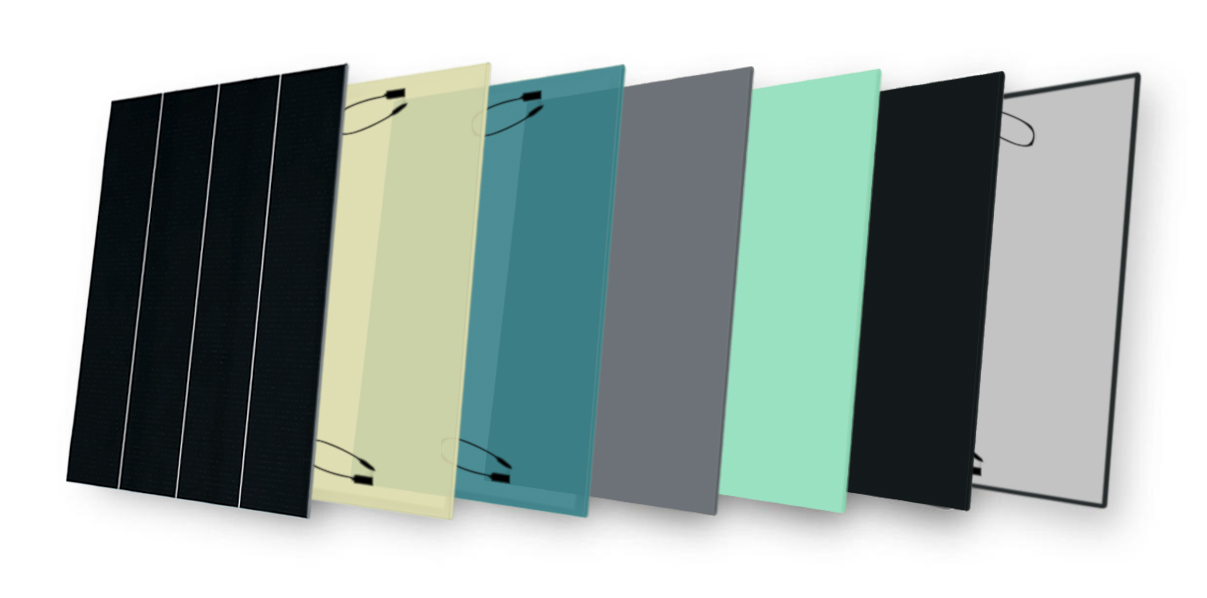
Cadmium telluride photovoltaic modules have expanded photovoltaic installation beyond traditional installation methods, becoming an integral part of the building envelope, achieving a perfect fusion of functionality and art.
BIPV's Diverse Applications
From its technological advantages to commercial viability, BIPV offers a wide range of applications. Here are some common ones:
1. Photovoltaic Curtain Walls
Photovoltaic curtain walls replace traditional curtain wall materials with cadmium telluride solar-generating glass, combining power generation, daylighting, insulation, and decorative features. Their excellent light transmittance and customizable color and transparency allow them to seamlessly blend into architectural facade designs. They perform particularly well in low-light and high-temperature environments, making them particularly suitable for the curved or irregularly shaped facades of landmark buildings.
2. Photovoltaic Rooftops
Rooftops are one of the most widely used applications for BIPV and are primarily categorized into three types:
Flat Roofs: The tilt of the photovoltaic panels is adjusted using brackets (usually aligned with the local latitude) to maximize solar radiation reception, offering significant economic benefits. Suitable for large public buildings such as industrial plants and schools.
Pitched Roofs: These utilize the roof's slope to optimize the solar exposure angle for the photovoltaic panels. These are commonly found in residential buildings or commercial buildings that mimic traditional tiled roofs, combining functionality with visual harmony.
Curved Roofs: Flexible thin-film modules are bonded to curved surfaces, achieving the streamlined aesthetics of iconic buildings like airports and stadiums. However, these systems require high module mechanical properties and construction precision.
3. Photovoltaic Shading
Photovoltaic shading systems combine power generation with building shading structures. Their main forms include:
Horizontal shading: Commonly found on overhanging eaves or awnings, it blocks high-angle summer sunlight while generating electricity. Suitable for parking lots and bus stops.
Vertical shading: Often installed on the west facade of a building, it blocks low-angle sunlight and reduces cooling energy consumption, making it particularly suitable for subtropical regions.
Baffle-type shading: Flexible placement on east-west windows allows for adjustable angles and can feature openwork designs, balancing shading efficiency with aesthetic appeal.
4. Extended Applications
Beyond the main structure, BIPV can also be incorporated into ancillary areas of a building, such as photovoltaic floor tiles, photovoltaic windows, and photovoltaic guardrails, further expanding the scope of BIPV's applications.
In the global transition to low-carbon buildings, from traditional rooftop photovoltaics (BAPV) to building-integrated photovoltaics (BIPV), BIPV is breaking the boundaries of traditional photovoltaic applications with disruptive innovation. It not only transforms buildings from energy consumers to producers, but also reshapes the spatial value of buildings through the deep integration of materials and design.